Posts tagged ‘Leadership’
A strategy is just a dream if you don’t have a roadmap to follow.
Most companies have a vision, many have a strategy, but so many fail on the execution. Why is that? The most fundamental reason is because of a lack of clear plan, alignment, and change management. If a company has a brilliant strategy, but no roadmap for how to get there- or a lack of alignment across the organization, it isn’t a strategy. It’s a dream.
So let’s talk about how to structure your strategy:
Strategic planning
Articulate your Vision. Start with the end in mind. What do you want to be when you grow up? This can include a conceptual and/or a financial vision. Set your sights high.
Plan your strategy. It starts with workshopping and documenting these key concepts:
- Who are your constituents? What do they care about? How are you serving them today? How do you want to be able to serve them in the future?
- What data do you need to support the strategy? Market considerations, competitive set, and more.
- Where do you need to win to grow?
- What are the key gaps or areas that you need to build or fix to get there?
- Where do you need to innovate to deliver compelling value?
- What tools, technology, people and resources are needed to execute?
- What has to change? Processes, ways of working, mindset.
- Alignment: Cross functional commitment & alignment is a necessary step before ratifying your strategy.
Build your Roadmap
- Strategic plan & Timeline: build out a 1-3 year business roadmap showing the phasing, key projects, technology and features that will be delivered to support your strategy.
- Financials: what are the investment and return expectations for year 1,2 and 3? How are you going to drive value quickly, while building long term equity?
- Key requirements: what are the must-haves? The nice-to-haves?
- Operational needs: Activate the resources, tools and organizational requirements needed to support the first phase
- RACI: Who are the project sponsors? Who are the core team members? Who’s accountable for what? Responsible?
- Change management: This needs to start early on to ensure that you have organizational alignment, to enable teams to surface and address concerns or obstacles, identify processes and other challenges that need to be addressed to deliver each project successfully.
Begin to execute:
Once your strategic roadmap is complete, it’s time to execute. At a high level, you’d need to validate your roadmap to assess what’s achievable on your timeline. Align on what’s more important- timeline or budget.
- Validate your timeline and prioritization for phase 1
- Create detailed requirements & project plans
- Identify Program and project managers
- Identify Vendors or partners
- Validate RACI
- Change Management
- Identify test & learn strategies
- Scheduled check-ins and executive updates
- Meet quarterly to review progress against the roadmap, and to validate future phasing.
Assess & evaluate where you need to pivot. What has changed in the marketplace, company performance or other factors? What innovations could be gamechangers?
- Assess & evaluate your roadmap & timeline. Has anything changed that could (or should) impact your timeline or priorities? Consider market forces, company imperatives, innovation…
- You should be prepared to pivot and refine as you learn. Your roadmap is a guideline- not a fixed plan that is set in stone.
- Watch the scope creep- Your program and project managers should keep the team focused on project scope, but inevitably, new ideas will arise. MOST should be put in a prioritized backlog for future phasing. The core team needs to surface and evaluate ideas to determine whether they are in-scope, need to be prioritized for future scope, or worth adding to project scope- considering what you could remove from scope to keep the project on track.
That’s a starter list for you! Feel free to bookmark it.
I help companies of all sizes articulate brand vision, strategies- and to execute. For help with yours, see https://jessjacksonconsulting.com/
For more, watch this space.
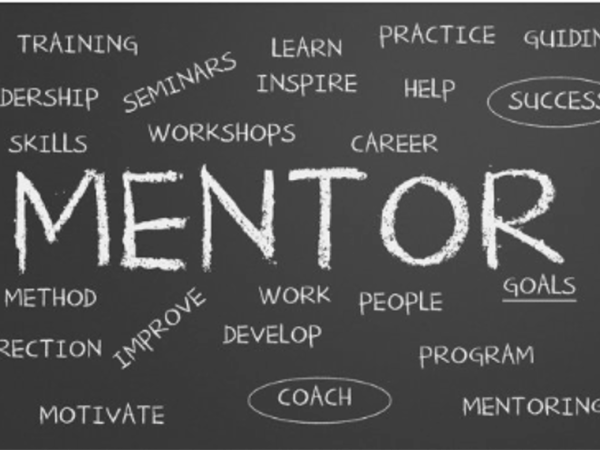
I’ve learned as much from the good bosses I’ve had as I have from the bad. The good ones challenged me, empowered me, helped me to see the bigger picture- showing me the 10,000 foot view when I was still wading through the surf, gave me perspective, objectivity, genuinely cared about me and saw my potential. But guess what? The bad bosses did too, for the most part. It was just less pleasant, and sometimes downright painful. All of it was instructive.
That was my earliest lesson in leadership. By watching, learning and listening, I thought about who I did and didn’t want to emulate. I found I’d work twice as hard, twice as long, and deliver better work for leaders who helped me understand why we were doing something, why it mattered, showed me the greater purpose and how I could make a difference. That was the leader I wanted to be.
In the first brand I worked for, I’d worked my way up from an entry level role to a leadership one. It had been an amazing journey. When I was offered an opportunity for a new role, managing the transition to digital commerce, I was all in. I’d been the one who pitched our CFO on moving to digital design, saving hundreds of thousands of dollars. Selling online was the dream. But one long time mentor said, “Why would you leave? It’s a huge risk. What if it fails?”
It wasn’t unreasonable. These were early days for E-commerce: picture Amazon as a mostly text site full of blue-underlined links. If this new business didn’t drive results, we could get shut down, and then where would I be? I called a trusted C-level executive and asked for advice. Was I making a terrible mistake? He said, among other things: “You have to think about what’s going to make you excited to get out of bed in the morning. What do you WANT to be doing?”
One was the voice of fear, the other, the voice of empowerment. One encouraged me to stay in my comfort zone, the other, to grow. My most inspiring mentors in that time expanded my worldview in a way that felt a little bit like helping me to leave home. Exciting- but scary. And ultimately led me to find my niche and passion in the world: digital commerce.
I’ve sought to do the same for others that worked for me over the years. Be approachable. Listen. Teach. Provide context and the bigger picture. And just like I’ll never forget the mentor who empowered me to find my dream, I occasionally hear from someone whom I’ve helped. One day, I got a text from a former team member saying,
“I don’t think I ever told you how grateful I am that you hired me, supported and developed me. You changed my life and gave me so many gifts!! I’m very appreciative and want you to know the amazing impact you had on my life. Thank you.” Wow. Just wow.
I still hear the voices of the ones who were most meaningful to me, who helped me become the leader I am today. I continue to learn from trusted colleagues and mentors to this day. And I will keep paying it forward. I hope you will, too.

About Jess Blogs:
Jessie Jackson is an eCommerce leader, with a passion for making the websites we use better.
Better for customers = better for business.


 jess blogs